Adding a smart mobility system to a multi-story residence is a significant step toward future-proofing your property and ensuring comfortable accessibility for all generations. When planning to integrate home elevators into a modern villa, duplex, or penthouse, the initial exploration often centers on choosing premium cabin finishes, exploring panoramic glass panels, and selecting drive mechanisms.
However, many property owners encounter unexpected expenses that fall outside the initial equipment quote. The sticker price listed on a basic promotional brochure rarely tells the complete financial story.
To make an informed investment, it is helpful to look beyond the initial purchase order. Preparing a home for vertical transportation involves several auxiliary expenses, ranging from deep structural civil modifications to unexpected regional electrical meter upgrades and regulatory licensing fees.
Failing to budget for these surrounding expenses can disrupt installation timelines or lead to costly modifications during construction. This specialized buyer guide focuses on uncovering the hidden expenses associated with buying home elevators, providing you with the technical clarity needed to budget effectively for your residential project.
Quick Answer: What is the Real Cost of a Home Elevator Installation?
The real cost of a home elevator installation extends beyond the mechanical equipment supplied by a passenger lift manufacturer. It includes structural civil work like digging pits and building shafts, electrical upgrades such as switching to three-phase power lines, local municipal permit and licensing fees, and ongoing lift maintenance services. Budgeting an extra twenty to thirty percent above the equipment quote helps cover these essential site preparation needs.
The Problem: The Hidden Expenses Behind the Equipment Quote
When homeowners begin reviewing options for home lifts in India, they often assume that the initial price quote from an engineering firm covers the entire project. In reality, an elevator system cannot simply be delivered and plugged into a standard domestic wall outlet like a household appliance.
An elevator is a complex mechanical and structural system integrated directly into a building's architecture. The baseline quote provided by an installation company typically covers only the manufacturing of the physical cabin, the drive motor, the control panels, and the necessary guide rails.
The physical environment where the system operates remains the responsibility of the property owner. If your site preparation does not match the exact technical specifications provided by the manufacturer, you may face unexpected expenses for structural corrections.
Understanding these separate expenses before finalizing an equipment contract helps prevent budget overruns during construction.
7 Major Hidden Costs of Buying Home Elevators
Understanding these key areas where unexpected expenses commonly arise allows you to approach your project with a complete financial overview.
1. Structural Civil Work and Shaft Construction
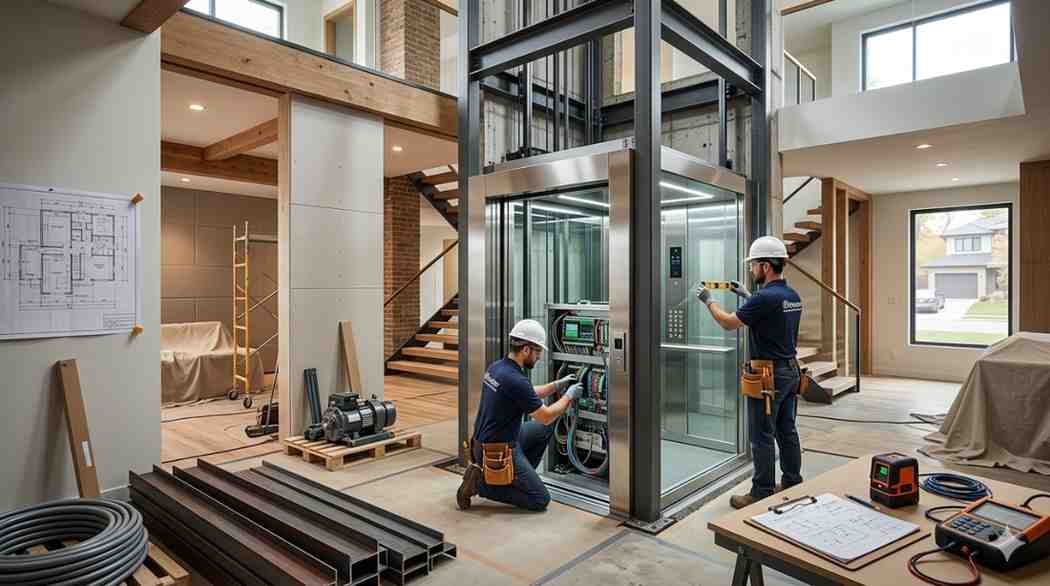
Unless you choose a specialized standalone model with an integrated aluminum structure, your home lift will require a dedicated, structurally sound vertical hoistway. The construction of this shaft involves significant civil work that is handled separately from the machinery purchase.
Masonry and Concrete Work: Building a perfectly square, load-bearing brick-and-mortar or reinforced cement concrete shaft requires significant material and labor investments.
Shaft Plastering and Painting: The interior walls of the lift hoistway must be smooth and free of debris to prevent dust from settling on delicate mechanical sensors and guide rails.
Scaffolding Hire: Installation teams require multi-tier internal scaffolding inside the shaft during the guide rail assembly phase, which can incur weekly rental fees if installation timelines run over.
2. Deep Pit Excavation and High-Performance Waterproofing
Every elevator requires a structural safety pit below the lowest landing floor level to act as a clear safety buffer area. This underground zone houses heavy mechanical buffers and structural rail bases.
Underground Water Seepage Mitigation: If your property features a high water table, digging a pit can lead to water seepage issues. Waterproofing the pit with chemical injections or heavy-duty membrane seals is necessary to protect the steel chassis from rust and moisture damage.
Structural Underpinning: Retrofitting a deep pit into an existing home may require reinforcing the surrounding foundations, which can increase engineering labor fees.
3. Electrical Infrastructure Upgrades and Meter Changes
The drive systems used in residential elevator solutions place specific demands on a home's electrical grid.
Three-Phase Line Upgrades: While some compact gearless traction systems can run on a single-phase domestic line, heavy hydraulic pumps and larger passenger cars often require a dedicated three-phase electricity connection. Upgrading your domestic power line involves applying to local utility companies and paying additional infrastructure connection fees.
Industrial Grade Voltage Stabilizers: Unstable power grids can damage sensitive electronic control systems. Installing dedicated industrial-grade voltage stabilizers or high-capacity uninterrupted power supply units is recommended to prevent component failures.
4. Third-Party Lifting Operations and Material Handling
Moving heavy steel structures, guide rails, and massive motor blocks to upper floors requires specialized equipment.
Crane Rental and Site Access Fees: If your home is located in a narrow residential lane or has restricted access, maneuvering heavy components onto upper floors may require a specialized crane rental. These mobile crane operations often incur premium hourly service fees.
Manual Material Shifting: If cranes cannot be used, hiring specialized rigging teams to carry heavy structural components up narrow stairwells manually will increase labor costs.
5. Architectural Interior and Aesthetic Customizations
Standard factory-finished lift cabins typically come with basic stainless steel panels, standard flooring, and simple overhead LED lighting.
Premium Interior Overlays: Upgrading your elevator to match high-end home interiors with custom wood paneling, marble floors, hidden mood lighting, or tinted mirrors will increase the total cost.
External Glass Enclosures: If you are installing a panoramic viewing lift, purchasing specialized laminated safety glass panels for the outer framework will add to the overall architectural budget.
6. Government Inspections, Permits, and Lift Licensing Fees
Compliance with local building regulations is an important step that can involve unexpected bureaucratic expenses.
State Lift Authority Approvals: In several regions across India, homeowners must secure official permission to erect a lift before starting construction, followed by a formal operating license after installation. Navigating these requirements involves paying official application fees, structural stability certificate charges, and independent surveyor fees.
Adherence to National Safety Codes: Ensuring your site meets all elevator safety standards India, such as providing mandatory ventilation louvers and separate machine room fire doors, can add to the baseline civil budget.
7. Post-Warranty Maintenance and Emergency Breakdown Services
An elevator is a long-term mechanical system that requires regular technical attention to perform safely over its operational lifespan.
Annual Maintenance Contracts: Once the initial warranty period expires, enrolling in a comprehensive Annual Maintenance Contract is important for long-term safety. These maintenance agreements represent an ongoing operational cost that must be budgeted for annually.
Component Replacement Costs: Standard low-tier service plans may exclude expensive wear-and-tear items like steel traction ropes, suspension belts, backup batteries, and electronic circuit boards, leading to unexpected out-of-pocket repair costs.
Technical Integration Checklist for Smart Buyers
To ensure your home elevator project stays on track and within budget, it is helpful to verify several key environmental parameters before delivery:
Verify Shaft Vertical Alignment: Ensure your civil contractor uses a professional plumb line to build the hoistway. A shaft that is out of alignment by even a few centimeters can prevent guide rail installation, leading to costly structural corrections.
Plan a Dedicated Electrical Circuit: Run an isolated power cable directly from your main distribution board to the lift controller, keeping it separate from household appliances to avoid electrical interference.
Confirm Top Floor Clearance Heights: Measure your top floor ceiling height carefully to ensure the drive motor fits comfortably within the vertical headroom without needing roof modifications.
Inquire About Safety Inclusions: Check whether essential features like an Automatic Rescue Device, a full-height infrared door curtain, and an emergency intercom are included in the baseline quote or billed as optional upgrades.
Mistakes to Avoid When Planning a Residential Lift
Avoiding these common planning pitfalls can help keep your installation running smoothly:
Relying Only on the Equipment Quote: Always ask your supplier for a clear breakdown of the civil and electrical work required, so you can obtain accurate estimates from your contractor early on.
Neglecting Pit Waterproofing: Failing to properly waterproof an underground pit during early civil construction can lead to water accumulation, which damages steel bases and triggers expensive remedial repairs later.
Delaying the Licensing Process: Applying for regional lift installation permits late in the process can lead to project delays, as manufacturing and testing cannot be finalized without official regulatory clearances.
Choosing Non-Standard Dimensions Early: Designing an unusual custom cabin size before consulting your manufacturer can increase engineering fees. Sticking to standard structural dimensions helps optimize manufacturing costs.
Why Choose CarryMax Lifts
Navigating the technical details of a residential lift installation requires an experienced partner who offers transparent planning from the start. CarryMax Lifts provides clear guidance, ensuring you understand all aspects of your project before work begins.
As a trusted passenger lift manufacturer and installation expert, CarryMax Lifts offers:
Decades of Industrial Expertise: Our deep manufacturing experience allows us to provide clear technical drawings and civil specifications, helping you avoid unexpected construction surprises.
Advanced In-House Manufacturing: We build durable systems using automated machinery and high-grade materials, ensuring long-term reliability and performance.
Versatile Customization Options: From clean panoramic glass cabins to premium stainless steel finishes, we adapt our designs to match your home's architecture without adding unnecessary complexity.
Strict Regulatory Compliance: Every elevator we build complies with the latest elevator safety standards India, featuring advanced multi-layer braking systems, clear warning sensors, and robust backup electronics.
Strong Service Presence in Delhi NCR: With an active engineering network covering Delhi, Noida, Gurgaon, Ghaziabad, and Faridabad, we provide dependable onsite coordination, licensing guidance, and responsive lift maintenance services.
Whether you need a specialized goods lift supplier for industrial applications or a premium commercial lift installation, CarryMax Lifts delivers clear turn-key engineering solutions tailored to your needs.
Conclusion: Balancing Your Residential Lift Investment
Investing in home elevators is an excellent way to improve residential accessibility and enhance long-term property value. To ensure a smooth installation process, it is important to budget for the surrounding expenses, such as civil shaft preparation, pit waterproofing, electrical upgrades, and local licensing fees, rather than focusing only on the baseline equipment quote.
By understanding these hidden factors early in the planning stages, you can avoid unexpected expenses and build a safe, compliant, and durable system for your home. Working with an experienced manufacturer helps streamline construction and ensures a successful project.
Contact the consulting team at CarryMax Lifts today to receive a transparent technical proposal, detailed shaft layout drawings, and expert advice for your residential project.